
Blog / Miami Cadillac Service

Car Battery FAQs: How to Choose the Right One for Your Vehicle

When it comes to the health and performance of your vehicle, the car battery plays a crucial role. Selecting the right battery for your car is not only essential for reliability but also for ensuring your vehicle's overall efficiency. A quality battery is key to powering your car’s electrical systems, starting the engine, and keeping your ride running smoothly.

Choosing the right battery might seem like a simple task, but there are a number of factors to consider. From understanding the signs of a failing battery to knowing the various types of batteries available, selecting the correct one requires a bit of knowledge. In this guide, we will address common concerns and provide helpful insights on how to choose the perfect car battery for your needs.

Understanding Car Battery Basics

Before we dive into choosing the right car battery, it’s essential to understand the basic function of a vehicle's battery. The car battery serves several purposes: it stores electrical energy, powers the vehicle’s electrical systems, and provides the initial power needed to start the engine. Without a reliable battery, your car would struggle to start, and its electrical components, such as the lights, air conditioning, and infotainment system, would cease to function.

The performance and lifespan of your car battery are influenced by several factors, including the climate you live in, the type of car you drive, and the overall condition of your vehicle's electrical system.

How Long Do Car Batteries Last?

Car batteries typically last between 3 to 5 years, depending on several factors. While many people assume that their battery will last as long as the vehicle itself, the truth is that various conditions affect its longevity. If you live in an area with extreme temperatures, whether hot or cold, your car battery may wear out more quickly. Additionally, the type of driving you do—whether you often make short trips or take long drives—can impact how long the battery lasts. For instance, short drives do not allow the battery to fully recharge, shortening its overall lifespan.

When your battery is nearing the end of its life, you may start to notice signs of trouble. These can include slow engine cranking, dim headlights, or electrical components malfunctioning. In some cases, your car may fail to start altogether. Regular battery checks are crucial to avoid being stranded due to a dead battery.

Types of Car Batteries and How to Choose the Right One

Choosing the right type of battery for your car depends on several factors, including your vehicle’s make and model, driving conditions, and climate. Here are the most common types of car batteries:

1. Flooded Lead-Acid Batteries

Flooded lead-acid batteries are the most traditional and widely used type. They require maintenance, including checking the water levels, but they tend to be the most affordable option. These batteries work well for most vehicles and offer a reliable power source. However, they may not perform well in extreme temperatures.

2. Absorbent Glass Mat (AGM) Batteries

AGM batteries are designed for high-performance vehicles, and they are more durable and maintenance-free compared to flooded lead-acid batteries. These batteries use a special glass mat to absorb the electrolyte, which helps prevent leakage and increases their resistance to vibrations. AGM batteries are often used in vehicles with advanced electrical systems or those with start-stop technology. They are also ideal for colder climates as they handle temperature fluctuations better than traditional batteries.

3. Gel Batteries

Gel batteries, while less common than flooded and AGM batteries, are designed for deep-cycle applications. They are sealed and maintenance-free, making them ideal for vehicles that require constant energy supply, such as RVs or boats. These batteries are also more resistant to extreme temperatures, both hot and cold.

4. Lithium-Ion Batteries

Lithium-ion batteries are gaining popularity due to their long lifespan and lighter weight. They are commonly used in electric vehicles and hybrids. Although more expensive than traditional lead-acid batteries, they offer superior performance, efficiency, and energy density. However, these batteries are still not as widely used in traditional combustion-engine vehicles.

Factors to Consider When Choosing a Car Battery

Selecting the right car battery isn’t just about choosing the type that fits your vehicle. Here are a few essential factors to keep in mind:

1. Battery Size

Batteries come in different sizes, and it’s crucial to select the one that fits your vehicle’s battery tray. Using a battery that is too small or too large can result in poor performance and potential damage to the electrical system. Always consult your owner’s manual or a professional to ensure you’re selecting the right size.

2. Cold Cranking Amps (CCA)

Cold Cranking Amps (CCA) refers to the battery’s ability to start the vehicle in cold temperatures. The higher the CCA rating, the better the battery will perform in freezing conditions. If you live in a cold climate, it’s important to choose a battery with a higher CCA rating to ensure reliable starting power.

3. Reserve Capacity (RC)

Reserve Capacity is the amount of time a fully charged battery can power your vehicle’s electrical systems in the event that the alternator fails. A higher RC means that your battery can continue to supply power to essential systems for a longer period. It’s especially important if you do a lot of driving in remote areas or if you frequently use your car’s electrical systems while the engine is off.

4. Brand Reputation and Warranty

When it comes to car batteries, choosing a reputable brand is crucial. High-quality brands tend to offer better performance and longer warranties. Opt for batteries with a robust warranty to protect your investment. Make sure to also check reviews and ratings before purchasing.

How to Maintain Your Car Battery

Proper battery maintenance can help extend its lifespan and improve its performance. Here are a few tips for keeping your battery in good condition:

  • Keep it Clean: Regularly inspect your battery for dirt and corrosion, especially around the terminals. Cleaning the terminals can help prevent poor electrical connections.
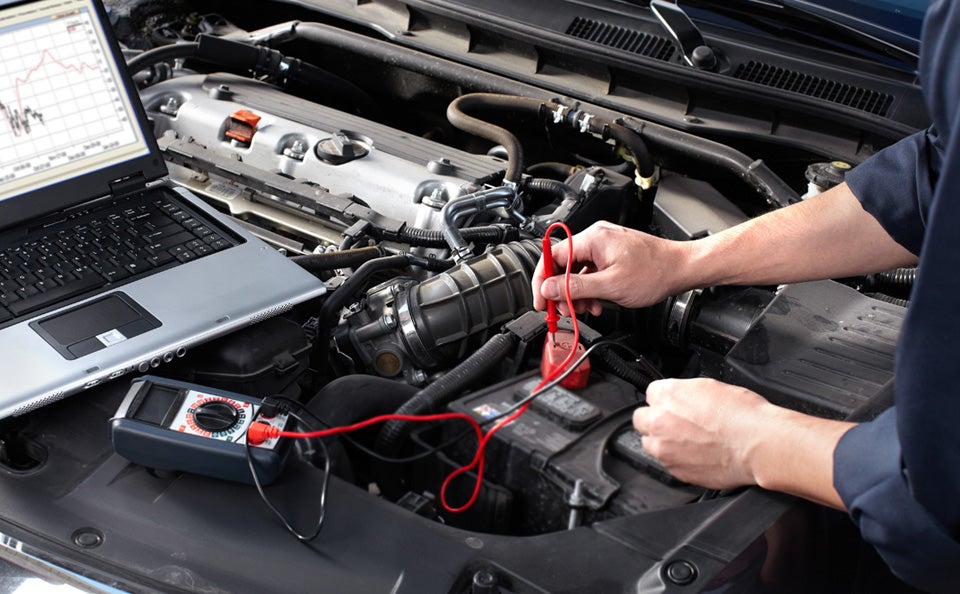
  • Check Battery Voltage: Use a voltmeter to check the battery voltage regularly. A healthy battery should read around 12.6 volts when the engine is off and between 13.7 to 14.7 volts when the engine is running.
  • Avoid Short Trips: If possible, avoid short trips as they prevent the battery from fully recharging.
  • Test the Battery: Have your battery tested periodically, especially if it’s nearing the end of its lifespan. This can help you catch any issues early before they become a bigger problem.

Signs That Your Car Battery Needs Replacement

It’s important to watch for warning signs that your car battery may need replacing. Common signs of a failing battery include:

  • Difficulty starting the car or a slow engine crank
  • Flickering or dimming headlights
  • Dashboard warning lights, particularly the battery light
  • Electrical systems malfunctioning or working intermittently
  • Leaking or corroded battery terminals

If you notice any of these signs, it’s a good idea to have your battery tested and, if necessary, replaced as soon as possible to avoid getting stranded. You can get your battery tested Monday through Saturday at Williamson Cadillac.

By understanding the types of car batteries available, how to maintain them, and the factors that influence battery performance, you can ensure that your vehicle remains reliable and ready to go whenever you need it.

Posted in:

Related Posts

Cadillac Rotor Resurfacing and Maintenance: Essential Care for Smooth Driving

Proper rotor maintenance is vital for the safety and performance of your Cadillac. At Williamson Cadillac in Miami, FL, we emphasize the importance of addressing issues related to Cadillac rotors before they compromise your vehicle’s braking system. Understanding the signs of bad rotors, the benefits of rotor resurfacing, and overall wheel and tire maintenance can help you avoid costly repairs and maintain a smooth, safe ride. Recognizing Bad Rotors: Signs and Symptoms Bad rotors typically show up through noticeable changes in braking behavior and unusual noises. Some common symptoms include: more Vibrations or pulsing in the brake pedal when applying brakes Grinding or squeaking sounds during braking, often indicating worn rotor surfaces Tire squeal or tire squeak that can sometimes be mistaken for tire issues but often relates to rotor or brake pad condition Uneven brake wear causing inconsistent stopping power Ignoring these signs can lead to further damage, increasing the risk of reduced braking efficiency and potential safety hazards. What Is Rotor Resurfacing? Rotor resurfacing involves machining the surface of your Cadillac rotors to restore a smooth, even finish. This process removes grooves, scoring, and minor warping, which can cause vibrations and noise. Resurfacing extends the life of the rotors when done at the right time and under the right conditions. Benefits of rotor resurfacing: Restores smooth braking and reduces pedal pulsation Eliminates brake noise caused by uneven rotor surfaces Saves cost compared to full rotor replacement when possible Improves overall wheel maintenance by ensuring balanced braking forces However, severely damaged or excessively thin rotors require replacement rather than resurfacing to maintain safe braking performance. The Role of Wheel and Tire Maintenance in Brake Health Tire and wheel maintenance directly affect brake system function. Proper tire care reduces unwanted tire noise and tire sound issues, such as squeal or squeak, that may mimic brake problems. Regular tire rotation, balancing, and inspection help prevent uneven wear that can cause vibrations or pulsing felt during braking. Key maintenance tips: Inspect tires for uneven wear and tread depth regularly Rotate tires every 5,000 to 7,500 miles to promote even wear Maintain proper tire pressure to avoid handling issues and tire noise Address any persistent tire squeal or tire squeak promptly to isolate brake or tire causes Understanding the difference between tire and brake-related noises is crucial for accurate diagnosis and effective repair. When to Seek Professional Brake Service at Williamson Cadillac If you experience persistent vibrations, grinding sounds, or squeak pin noises when braking, it’s essential to have your Cadillac inspected by trained technicians. Our service experts evaluate rotor thickness, surface condition, and the overall brake system to recommend resurfacing or replacement as needed. Timely maintenance ensures your vehicle’s braking remains responsive and quiet. Consistent rotor maintenance, combined with attentive wheel and tire care, keeps your Cadillac braking smoothly and quietly. Trust Williamson Cadillac’s service team in Miami, FL, to deliver expert rotor resurfacing and comprehensive brake inspections for your vehicle’s safety and comfort.

Essential Cadillac Maintenance Services for 2025 Models: Keep Your Vehicle Running Smoothly

Owning a Cadillac is a symbol of luxury and performance, and ensuring your vehicle is properly maintained is crucial to preserving both its functionality and value. For owners of the 2025 Cadillac models, such as the all-electric Cadillac Lyriq or the robust Cadillac Escalade IQ, regular maintenance plays a key role in keeping your car running at its peak performance. Whether you need a Cadillac oil change, new Cadillac wiper blades service, or Cadillac tire service, Williamson Cadillac is here to provide top-tier care for your vehicle. Cadillac Oil Change: Keep Your Engine Running Smoothly One of the most important aspects of vehicle maintenance is ensuring your engine stays lubricated and performs optimally. The 2025 Cadillac models, whether you drive the Cadillac Lyriq or the Cadillac CT5, rely on high-quality engine oil to keep everything running smoothly. more Why Regular Oil Changes Matter: Oil is the lifeblood of your engine, reducing friction and ensuring smooth operation. For a high-performance vehicle like a Cadillac, timely oil changes are essential to maintaining optimal engine health and fuel efficiency. When to Schedule an Oil Change: It's important to follow the manufacturer’s recommendations for oil change intervals. Typically, an oil change every 5,000 to 7,500 miles ensures your engine runs efficiently, but always check your vehicle's manual for specifics. At Williamson Cadillac, we offer professional oil change services for all 2025 Cadillac models to keep your car’s engine running at its best. Cadillac Battery Service: Keep Your Vehicle Powered In modern vehicles like the Cadillac Lyriq and Cadillac Escalade IQ, the battery is essential for powering the vehicle’s electrical systems, including the infotainment system and safety features. Ensuring your Cadillac battery is in top condition can help prevent unexpected breakdowns and maintain optimal performance. Cadillac Battery Replacement: If you notice any signs of weakness, such as difficulty starting your vehicle or dimming lights, it may be time for a Cadillac battery replacement. Our experts at Williamson Cadillac provide reliable battery testing and replacement services for all 2025 models. Battery Maintenance: Regular battery checks are essential to avoid a sudden failure. We inspect connections, ensure the battery is holding a charge, and replace it as needed, so you can drive with confidence. Cadillac Tires: Safety Starts with Proper Tire Care Tires are the only part of your vehicle that makes contact with the road, so keeping them in optimal condition is critical for both safety and performance. For your 2025 Cadillac model, whether you drive the Cadillac Escalade IQ or the Cadillac Lyriq, regular tire maintenance is essential. Cadillac Tire Service: At Williamson Cadillac, we offer a complete range of tire services, from tire rotations to balancing and alignment. Regular tire maintenance ensures even wear and prolongs the life of your tires. Tire Inspections: It’s important to check your tires regularly for signs of wear, such as uneven tread or low tire pressure. Proper tire maintenance enhances your vehicle’s handling, fuel efficiency, and overall safety. Cadillac Wiper Blades: Clear Visibility for Safe Driving For every Cadillac owner, maintaining clear visibility is crucial for safety, especially in unpredictable weather conditions. The Cadillac wiper blades service ensures your windshield wipers are always in top shape to handle rain, snow, or debris. Why Wiper Blade Replacement Is Essential: Over time, wiper blades can wear down, leaving streaks or making noise during operation. Regular replacement ensures clear visibility and prevents potential damage to your windshield. Cadillac Wiper Blade Service: Our technicians at Williamson Cadillac can replace worn-out wiper blades, ensuring your vehicle stays safe, even in the worst weather conditions. At Williamson Cadillac, we offer a comprehensive range of services to keep your 2025 Cadillac running at its peak. Whether you're in need of an oil change in Miami, Cadillac tire service, or Cadillac battery service, our certified technicians are here to provide expert care and attention to detail. We use only high-quality OEM parts and provide exceptional customer service to make sure your vehicle stays in prime condition for years to come.

Catalytic Converter Maintenance: How to Spot and Address Problems Early

A catalytic converter is an essential component of your vehicle's exhaust system, helping to reduce harmful emissions and improve engine efficiency. However, like all parts of your vehicle, the catalytic converter can wear out over time. Understanding the symptoms of a bad catalytic converter can help you spot issues early, saving you from expensive repairs and ensuring your car runs smoothly. In this guide, we’ll discuss common catalytic converter symptoms, signs of a failing converter, and how to maintain it properly. What is a Catalytic Converter? The catalytic converter is a part of your car's exhaust system that helps to reduce harmful emissions by converting toxic gases into less harmful substances. It is located underneath your vehicle, between the engine and the muffler. Over time, the converter can become clogged or damaged, which can affect engine performance and fuel efficiency. Common Catalytic Converter Symptoms Understanding the signs of a bad catalytic converter can help prevent further damage to your vehicle. If you notice any of the following symptoms, it may be time to have your catalytic converter checked by a professional: more Poor Engine Performance One of the most noticeable signs of a failing catalytic converter is a decrease in engine performance. If your car struggles to accelerate, has a rough idle, or experiences hesitation, it could be due to a clogged or damaged catalytic converter. This happens because the exhaust gases cannot flow properly, causing the engine to misfire or lose power. Check Engine Light A common symptom of a bad catalytic converter is the illumination of the check engine light. This light could indicate that your vehicle's computer has detected an issue with the catalytic converter's performance. However, the check engine light can also signal other problems, so it's important to have your vehicle inspected to confirm if the catalytic converter is the issue. Rattling Noise If you hear a rattling noise coming from underneath your car, it may be a sign that the internal components of the catalytic converter have broken loose. This noise typically occurs when the converter is damaged and can no longer function properly. A rattling sound is often a clear indication that the converter needs attention or replacement. Sulfur Smell A bad catalytic converter can cause a sulfur or rotten egg smell to emanate from the exhaust. This occurs when the converter is not effectively processing the hydrogen sulfide in the exhaust gases, resulting in a strong, unpleasant odor. If you notice this smell, it’s crucial to get your vehicle checked as it may indicate a malfunctioning catalytic converter. Signs of a Bad Catalytic Converter: How to Tell if It's Time for Replacement It’s important to understand how to tell if your catalytic converter is bad before it causes further damage to your vehicle. Some common signs include: Decreased Fuel Efficiency A clogged catalytic converter can result in poor fuel economy because it creates more backpressure in the engine. When the exhaust gases are unable to exit the engine efficiently, it puts additional strain on the engine, causing it to use more fuel. Engine Overheating A blocked or faulty catalytic converter can lead to engine overheating. If the converter is clogged, it prevents exhaust gases from escaping properly, which can cause the engine to run hotter than usual. If you notice your engine temperature rising unexpectedly, it could be due to a faulty catalytic converter. Failed Emissions Test A catalytic converter that isn’t functioning properly can cause your vehicle to fail an emissions test. Since the converter is responsible for reducing harmful emissions, a malfunctioning unit can lead to higher levels of pollutants being released into the atmosphere. Where is the Catalytic Converter Located? The catalytic converter is typically located underneath the vehicle, between the engine and the muffler. In most vehicles, it's located in the exhaust system and can be easily identified by its metallic appearance and cylindrical shape. Knowing the location of your catalytic converter is important when troubleshooting potential issues. How to Maintain Your Catalytic Converter Proper maintenance can help extend the lifespan of your catalytic converter and prevent costly repairs. Here are some maintenance tips to keep your catalytic converter in good working condition: Regularly Check Engine Light Always pay attention to your vehicle's check engine light. If it turns on, have your car inspected immediately. Ignoring this light can lead to serious damage to the catalytic converter and other engine components. Fix Engine Problems Promptly Addressing issues like engine misfires, poor fuel injectors, or exhaust leaks promptly can help prevent damage to your catalytic converter. These problems can increase the stress on the converter and lead to its failure. Drive Your Car Regularly Short trips or infrequent driving can lead to the buildup of deposits in the catalytic converter, which can cause it to clog. Regular driving helps keep the system clean and ensures proper functioning. Conclusion The catalytic converter is a crucial component of your vehicle's exhaust system that requires attention to ensure your car runs smoothly. By understanding the catalytic converter symptoms and knowing how to spot the signs of a bad catalytic converter, you can address problems early before they become more serious and expensive. If you suspect your catalytic converter is failing, it's important to consult a professional technician at Williamson Cadillac, who can diagnose and repair the issue, helping you keep your vehicle in optimal condition for years to come.