

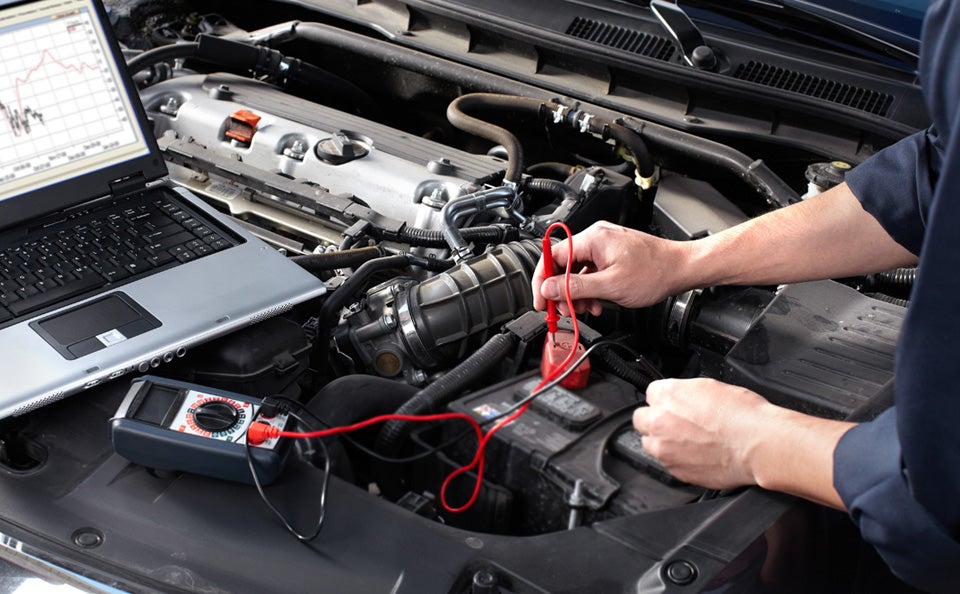
When it comes to the health and performance of your vehicle, the car battery plays a crucial role. Selecting the right battery for your car is not only essential for reliability but also for ensuring your vehicle's overall efficiency. A quality battery is key to powering your car’s electrical systems, starting the engine, and keeping your ride running smoothly. Choosing the right battery might seem like a simple task, but there are a number of factors to consider. From understanding the signs of a failing battery to knowing the various types of batteries available, selecting the correct one requires a bit of knowledge. In this guide, we will address common concerns and provide helpful insights on how to choose the perfect car battery for your needs. Understanding Car Battery Basics Before we dive into choosing the right car battery, it’s essential to understand the basic function of a vehicle's battery. The car battery serves several purposes: it stores electrical energy, powers the vehicle’s electrical systems, and provides the initial power needed to start the engine. Without a reliable battery, your car would struggle to start, and its electrical components, such as the lights, air conditioning, and infotainment system, would cease to function. more The performance and lifespan of your car battery are influenced by several factors, including the climate you live in, the type of car you drive, and the overall condition of your vehicle's electrical system. How Long Do Car Batteries Last? Car batteries typically last between 3 to 5 years, depending on several factors. While many people assume that their battery will last as long as the vehicle itself, the truth is that various conditions affect its longevity. If you live in an area with extreme temperatures, whether hot or cold, your car battery may wear out more quickly. Additionally, the type of driving you do—whether you often make short trips or take long drives—can impact how long the battery lasts. For instance, short drives do not allow the battery to fully recharge, shortening its overall lifespan. When your battery is nearing the end of its life, you may start to notice signs of trouble. These can include slow engine cranking, dim headlights, or electrical components malfunctioning. In some cases, your car may fail to start altogether. Regular battery checks are crucial to avoid being stranded due to a dead battery. Types of Car Batteries and How to Choose the Right One Choosing the right type of battery for your car depends on several factors, including your vehicle’s make and model, driving conditions, and climate. Here are the most common types of car batteries: 1. Flooded Lead-Acid Batteries Flooded lead-acid batteries are the most traditional and widely used type. They require maintenance, including checking the water levels, but they tend to be the most affordable option. These batteries work well for most vehicles and offer a reliable power source. However, they may not perform well in extreme temperatures. 2. Absorbent Glass Mat (AGM) Batteries AGM batteries are designed for high-performance vehicles, and they are more durable and maintenance-free compared to flooded lead-acid batteries. These batteries use a special glass mat to absorb the electrolyte, which helps prevent leakage and increases their resistance to vibrations. AGM batteries are often used in vehicles with advanced electrical systems or those with start-stop technology. They are also ideal for colder climates as they handle temperature fluctuations better than traditional batteries. 3. Gel Batteries Gel batteries, while less common than flooded and AGM batteries, are designed for deep-cycle applications. They are sealed and maintenance-free, making them ideal for vehicles that require constant energy supply, such as RVs or boats. These batteries are also more resistant to extreme temperatures, both hot and cold. 4. Lithium-Ion Batteries Lithium-ion batteries are gaining popularity due to their long lifespan and lighter weight. They are commonly used in electric vehicles and hybrids. Although more expensive than traditional lead-acid batteries, they offer superior performance, efficiency, and energy density. However, these batteries are still not as widely used in traditional combustion-engine vehicles. Factors to Consider When Choosing a Car Battery Selecting the right car battery isn’t just about choosing the type that fits your vehicle. Here are a few essential factors to keep in mind: 1. Battery Size Batteries come in different sizes, and it’s crucial to select the one that fits your vehicle’s battery tray. Using a battery that is too small or too large can result in poor performance and potential damage to the electrical system. Always consult your owner’s manual or a professional to ensure you’re selecting the right size. 2. Cold Cranking Amps (CCA) Cold Cranking Amps (CCA) refers to the battery’s ability to start the vehicle in cold temperatures. The higher the CCA rating, the better the battery will perform in freezing conditions. If you live in a cold climate, it’s important to choose a battery with a higher CCA rating to ensure reliable starting power. 3. Reserve Capacity (RC) Reserve Capacity is the amount of time a fully charged battery can power your vehicle’s electrical systems in the event that the alternator fails. A higher RC means that your battery can continue to supply power to essential systems for a longer period. It’s especially important if you do a lot of driving in remote areas or if you frequently use your car’s electrical systems while the engine is off. 4. Brand Reputation and Warranty When it comes to car batteries, choosing a reputable brand is crucial. High-quality brands tend to offer better performance and longer warranties. Opt for batteries with a robust warranty to protect your investment. Make sure to also check reviews and ratings before purchasing. How to Maintain Your Car Battery Proper battery maintenance can help extend its lifespan and improve its performance. Here are a few tips for keeping your battery in good condition: Keep it Clean: Regularly inspect your battery for dirt and corrosion, especially around the terminals. Cleaning the terminals can help prevent poor electrical connections. Check Battery Voltage: Use a voltmeter to check the battery voltage regularly. A healthy battery should read around 12.6 volts when the engine is off and between 13.7 to 14.7 volts when the engine is running. Avoid Short Trips: If possible, avoid short trips as they prevent the battery from fully recharging. Test the Battery: Have your battery tested periodically, especially if it’s nearing the end of its lifespan. This can help you catch any issues early before they become a bigger problem. Signs That Your Car Battery Needs Replacement It’s important to watch for warning signs that your car battery may need replacing. Common signs of a failing battery include: Difficulty starting the car or a slow engine crank Flickering or dimming headlights Dashboard warning lights, particularly the battery light Electrical systems malfunctioning or working intermittently Leaking or corroded battery terminals If you notice any of these signs, it’s a good idea to have your battery tested and, if necessary, replaced as soon as possible to avoid getting stranded. You can get your battery tested Monday through Saturday at Williamson Cadillac. By understanding the types of car batteries available, how to maintain them, and the factors that influence battery performance, you can ensure that your vehicle remains reliable and ready to go whenever you need it.
What Is a Vanity Plate and How to Choose One for Your Vehicle
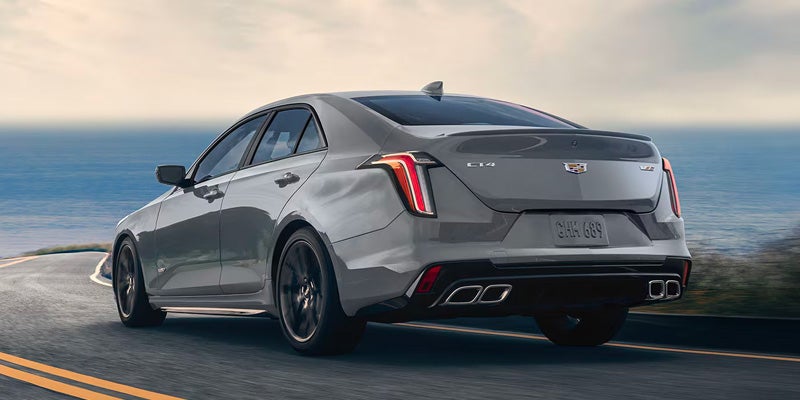
A vanity plate, also known as a personalized or custom license plate, is a unique and stylish way to express your personality, interests, or brand identity on your vehicle. With a vanity plate, you have the opportunity to make a statement on the road. But choosing the right one can be a bit more complex than just picking a few random characters. In this guide, we’ll explore what a vanity plate is, the different types of custom license plates available, and how to choose the right one that reflects your style, interests, and vehicle. Understanding Vanity Plates: A Unique Expression A vanity plate is simply a license plate that is personalized with letters, numbers, or a combination of both that holds personal significance. The characters on these plates can represent your initials, a nickname, a favorite phrase, or even a word or slogan that expresses something about you. more Vanity plates are available in most states, including Florida, and can be customized for vehicles ranging from everyday cars to high-performance machines. The main appeal of these plates is their ability to make a vehicle stand out from the crowd, while giving the owner a chance to be creative and personal. Benefits of Having a Vanity Plate Personalized Expression: A vanity plate allows you to showcase your individuality. It can reflect your interests, sense of humor, or profession. Increased Recognition: For businesses or entrepreneurs, vanity plates can be a clever marketing tool, making your vehicle stand out wherever you go. Conversation Starter: A well-chosen vanity plate can spark conversations, whether it’s about a clever joke or a meaningful phrase. Aesthetic Appeal: Some people simply enjoy how a custom plate looks and how it complements their car. Types of Vanity Plates Available There are several types of vanity plates available, each offering different levels of customization and personalization. Here’s a breakdown of what you can expect when choosing a custom license plate for your vehicle. 1. Standard Personalized Plates These plates are the most common form of vanity plate and are available in many states. You can select a combination of letters and numbers that are meaningful to you, as long as they follow state regulations (e.g., no offensive language). For example, you might choose something like “MIAMIDR” to represent your hometown or “CADILLAC” for your vehicle brand. 2. Specialty Plates In addition to standard personalized plates, many states offer specialty plates that come with unique designs or themes. These plates often support causes, organizations, or commemorate certain events. You can still personalize the characters on these plates, but they may also include logos or symbols that align with specific themes, like sports teams, charities, or military service. 3. Historic or Classic Car Plates If you own a classic or antique car, you may be eligible for a historic license plate. These plates can be customized to reflect the car’s age or historical significance. Many collectors choose vanity plates that honor the car's history or their personal connection to the vehicle. 4. Custom Plate Frames Although not technically a license plate, custom plate frames offer a secondary way to personalize your vehicle. Plate frames can include messages, logos, or designs that complement your vanity plate, adding another layer of individuality. Key Considerations When Choosing a Vanity Plate Choosing a vanity plate can be an exciting experience, but it also requires some thought. Here are some key factors to consider when selecting the right plate for your vehicle. 1. Character Limitations Each state has specific character limits for vanity plates. In Florida, for example, you can typically use up to seven characters on a standard plate. Be sure to check your state’s regulations regarding the length of your custom plate, as exceeding the limit will make your choice invalid. 2. Character Combination While selecting the characters for your vanity plate, remember that some combinations may already be taken by other vehicle owners. If your preferred plate isn’t available, you may need to get creative and think of alternative combinations. Some states also prohibit certain combinations, such as offensive language or content that may be deemed inappropriate. 3. Legal Considerations Not all combinations are allowed on vanity plates. Each state has a set of rules regarding what can and cannot be displayed. For example, offensive or inappropriate language is prohibited, and so are certain phrases or combinations that may violate public policy. Make sure your desired vanity plate adheres to these guidelines to avoid rejection. 4. Aesthetic and Visibility Your vanity plate should complement your vehicle’s overall design and color scheme. Consider how the plate will look with your car’s exterior and whether it enhances the vehicle's visual appeal. Visibility is also important – ensure that the characters on the plate are easy to read from a distance. 5. Personal or Professional Connection Think about how your vanity plate could reflect who you are or your brand. If you own a business, your plate could showcase your company name or a catchy slogan. Personal vanity plates may reflect your hobbies, profession, or even a meaningful event, such as a milestone anniversary or graduation year. 6. Keep It Simple While creativity is encouraged, simplicity often works best. A concise, catchy, and memorable plate is much more likely to stand out and be remembered than a complicated string of characters. Keep it short and sweet, and consider the overall impact it will have. How to Order Your Vanity Plate Once you’ve decided on a vanity plate design, the process for ordering one is straightforward. In most states, including Florida, you can request a personalized plate through your state’s Department of Motor Vehicles (DMV) website or at a physical office. You’ll need to check the availability of your desired plate, select the correct type of plate, and pay the necessary fees. In Florida, the state offers several options for custom license plates, including traditional, specialty, and military plates. After submitting your order, the DMV will process your request, and you’ll receive your personalized plate either in the mail or through a DMV office, depending on the state’s process. Tips for Creating a Memorable Vanity Plate Be Creative: Don’t be afraid to think outside the box. Incorporating a meaningful phrase, nickname, or inside joke can make your vanity plate more personal and unique. Consider Your Audience: Whether it’s for personal use or business purposes, think about how your plate will be perceived by others. A witty or clever plate is sure to get attention, but ensure it’s appropriate for all audiences. Check Availability: Before you settle on a design, check to make sure it’s available. States usually provide a tool on their DMV websites to search for available vanity plates. Final Thoughts on Vanity Plates A vanity plate is more than just a way to identify your vehicle—it’s a form of personal expression. Whether you choose a plate that reflects your interests, profession, or sense of humor, it’s a great way to make your car stand out. By considering the available options, regulations, and creative possibilities, you’ll be able to select a plate that not only looks great but also adds a unique touch to your vehicle.